
Okay, so check this out—I’ve been using the Phantom browser extension for a couple years now. Wow! It started as a curiosity and then turned into a daily habit. My instinct said „this will save time,“ and it did, though not without a few hairy moments. Initially I thought browser wallets were all roughly the same, but then I realized there are real UX and security differences that matter, especially when you’re clicking through NFT drops and DeFi dapps.
First impressions matter. Really? Yes, the onboarding for Phantom felt polished, but something felt off about a fake clone I once almost installed. Whoa! That was a wake-up call. On one hand the extension interface is smooth and the key management is clear; on the other hand phishing is everywhere, and you have to be picky. I learned to slow down, verify links, and treat every „connect wallet“ popup like a tiny security quiz.
Here’s the blunt truth: extensions are convenient and also risky. My gut feeling is that convenience corrodes caution. So I developed a checklist. It’s simple, annoyingly small, and it actually stops most mistakes. Step one — verify the source. Step two — never paste your seed phrase into any webpage. Step three — use a hardware wallet for big balances. That last one is a pain, but it’s worth it.
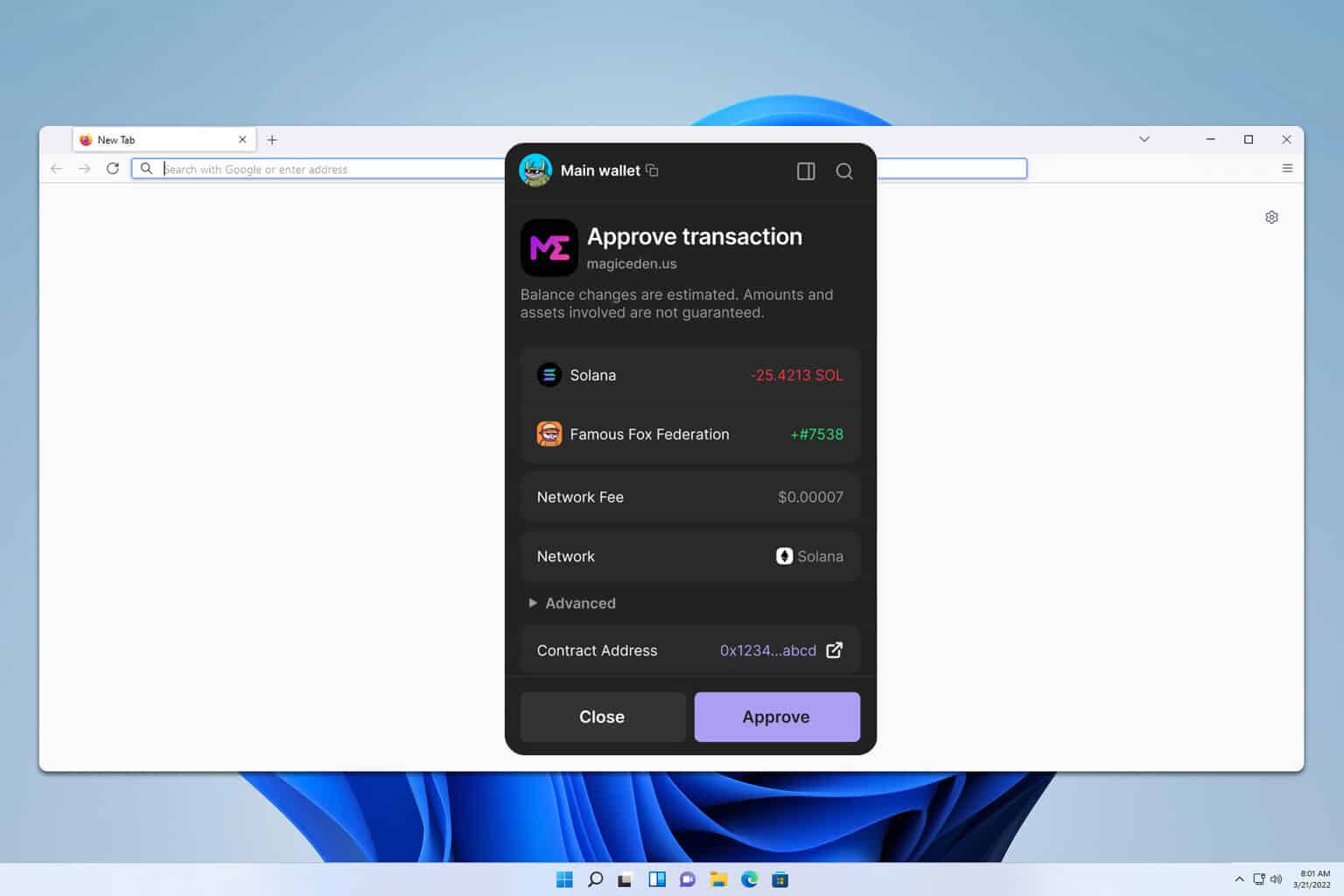
Where to get the Phantom extension safely
If you want to grab the extension, use known stores first: Chrome Web Store, Firefox Add-ons, or the official Phantom domain (phantom.app) — check the URL carefully. Also, here is a link I reference for a download mirror: phantom wallet download extension. Pause. Seriously—do not rush. Confirm the extension publisher, read the reviews, and scan for odd permissions (somethin‘ like „read and change all your data on websites“ should make you think twice).
Why a mirror link at all? Because sometimes the browser store listing is geo-blocked or mirrored by community sites for archival reasons. Hmm… I’m not endorsing every mirror out there, but I do share resources that helped me when the official site was temporarily down. Actually, wait—let me rephrase that: use official channels first, then fall back to vetted community mirrors only if you absolutely must, and only after verifying checksums or publisher details.
Oh, and by the way—phishing copies of wallet extensions are real. They look identical. They will ask to import a wallet via seed phrase or sometimes offer a „restore“ button that crops up in social media ads. Don’t click. Ever. If a page prompts you to paste your seed phrase into a form to „recover“ funds, close the tab, breathe, and assume compromise until proven otherwise.
Here’s what I do in the wild. I install on a clean profile. I lock down extension permissions. I keep a separate browser for crypto activity when I’m paranoid. It’s a little extra work, but when you’re dealing with NFTs that cost hundreds or DeFi positions worth real money, it’s cheap insurance.
Setting up Phantom: practical steps (fast but careful)
Start with zero assumptions. Seriously. Create a new browser profile if you can. Install the extension from the verified store. When you first open Phantom, it will give you options: create new wallet or restore existing. If you’re new, choose create. If you’re restoring, check for typos in the URL and verify the extension ID—compare it to the one listed on phantom.app. My instinct flagged mismatches before I checked them properly, and that saved me once.
Write down your recovery phrase the old-fashioned way. Paper is tedious but reliable. Do not screenshot. Do not store it in cloud notes unless it’s encrypted with a key you control. I’m biased, but a steel backup plate is the only thing that feels secure for long-term holdings. That said, most people are fine with a paper backup if stored well (locked safe, safe-deposit box, etc.).
After setup, enable wallet lock and a strong password. Check extension settings for site connection prompts. Phantom is designed to ask for permission for each dapp connection, which is good. Still, eyeball what it asks for. If a site tries to swap tokens without explicit consent or requests „full account access“ for no clear reason, close it immediately.
Now for NFTs. Phantom shows collectible thumbnails inline, which is super convenient. I like that. But convenience makes me click faster. So before confirming a marketplace listing or an offer, I scroll the contract address on a block explorer and cross-check the token metadata. It’s mildly annoying and a little nerdy, but it saves heartbreak.
Using Phantom with DeFi — practical safety and UX tips
DeFi is powerful and messy. Phantom connects to Serum, Raydium, and many new apps fast. That speed is both a feature and a liability. My rule: small test transaction first. Really small. If the dapp behaves as expected, then scale up. On one hand you get instant swaps and staking; on the other hand you risk approving infinite token allowances. So—set approvals to exact amounts when possible, or use tools that revoke allowances regularly.
Also, keep an eye on transaction fees and priority. Solana is cheap, but splashy transactions can still fail. Phantom shows transaction simulation results sometimes. Use them. They matter. Initially I ignored the simulation, but then I spent gas on failed trades—lesson learned.
One more pro tip: enable hardware wallet support for large balances. Phantom supports ledger devices and it feels slower, but very secure. When you’re signing from a hardware wallet, the extension cannot steal your keys. It just forwards unsigned transactions for you to approve. This is the single best way to have the convenience of a browser wallet and the safety of a cold device.
Common questions I get
Is the Phantom browser extension safe?
Mostly yes, if you follow security best practices. Use official channels, verify extension IDs, never paste your seed phrase, and prefer hardware wallets for significant funds. I’m not 100% sure about every mirror link out there, but careful behavior stops most attacks.
What about fake extensions and phishing?
They exist and they are clever. Watch for lookalike URLs, promoted ads that link to „install now“ pages, and unsolicited messages promising free NFT drops. If somethin‘ smells off—stop. Also, check the extension’s developer name and reviews. If the extension suddenly requests new permissions after an update, investigate before granting them.
How do I use Phantom with NFTs and DeFi responsibly?
Small test transactions. Manual checks on contract addresses. Use revocation tools to clear token approvals. Separate browser profiles for risky browsing. Hardware wallets for cold storage. And keep your recovery phrase offline—no exceptions, really.
Okay, so check this last part—my emotional arc with browser wallets started jittery and then moved to practical faith. I’m still skeptical at times, though. On one hand these extensions have made Solana accessible in ways I appreciate; on the other hand they’re a single point of failure if mishandled. Something bugs me about user complacency—people click „connect“ like it’s nothing. That’s the exact moment trouble starts.
Final thought: treat your wallet like you treat your keys to a house. You wouldn’t hand a stranger a spare. Don’t hand them your seed phrase. Keep backups, use hardware for big money, and verify every download. If you want a convenient place to start, remember the official site is the primary source (phantom.app), and if you explore other mirrors, do so carefully—double-check details and take your time. It seems extra, I know, but it’s worth it.