
Whoa! I remember the first time I tapped a Tangem card to my phone and felt oddly reassured. The Tangem app recognized the card instantly, showed balances cleanly, and let me sign a transaction without exposing a seed phrase. At first it felt like magic, though actually that gloss hides a practical design: a secure element on a physical card that stores keys and performs signing, so you never type your private key into a phone. Initially I thought this was mostly a novelty for early adopters, but after a few weeks of real use I realized the card’s convenience and the app’s simplicity solve real daily friction for people who want strong security without nerdy setup rituals.
Seriously? The card is that easy to use. You just tap NFC, confirm on the card (some models have a tiny LED), and the app completes the transaction. My instinct said this would be fragile—phones crash, NFC can be flaky—but in practice the Tangem card and app were resilient and fast. On one hand the convenience beats fiddling with a small hardware device and cable; on the other hand you trade some flexibility because the Tangem model is key-per-card with no mnemonic backup by default, which changes your recovery mindset. Actually, wait—let me rephrase that: Tangem offers backup patterns and enterprise options, but personal users should plan differently than they would with seed-based wallets.
Hmm… here’s what bugs me about the industry though. Many people mention „seed phrase“ like a magic password and then act like it’s a single point of truth. Tangem flips that script by embedding private keys in a secure element, which reduces user error for typical transfers. I’m biased, but that hardware-backed, tap-to-sign model feels much more natural than writing down 24 words on paper and stuffing them in a shoebox. It’s not perfect—if you lose the physical card and you didn’t set up a recovery plan you could be out of luck—but Tangem intentionally pushes users toward simpler, less error-prone flows. Somethin‘ about removing the need to speak a seed phrase aloud in a coffee shop just feels right.
Whoa! Setup is quick and low-stress. Open the Tangem app, tap the card, give it a nickname, and you’re ready to receive crypto. The app supports multiple chains depending on card type, though not every altcoin is present, so check compatibility before you buy. For US users who want to use BTC, ETH and popular tokens, the support is solid—but power users who need niche chains might find gaps. Oh, and by the way, the app’s interface keeps things deliberately minimal, which I appreciated after dealing with cluttered software wallets.
Hmm—security talk now, because people ask. The Tangem card stores private keys in a certified secure element, and signing happens inside that element so the key never leaves the card. That design resists malware on your phone and makes key extraction extremely difficult without physical compromise. On the flip side, it’s a physical-single-point model: protecting the card (and any backup plan you choose) is crucial. I learned this the hard way when I misplaced a test card once—panic ensued—though in reality the card’s PIN and tamper-resistant hardware kept my funds safe while I located it.
Whoa! Real-world routines matter. I started carrying the card in a wallet sleeve, just like a regular credit card. Tapping at a coffee shop counter felt oddly futuristic but normal at the same time. My friends laughed at first, though they became curious when I showed them a transaction confirmation in seconds. For folks who travel domestically or keep cash-like crypto amounts, a Tangem card paired with the Tangem app reduces reliance on phone security settings and biometric quirks.
Okay, here’s a practical tip you might not hear elsewhere. Pair multiple cards across different families for redundancy, and keep one in a safe place. If you want multi-coin convenience, check specific Tangem card models because some are single-asset and others support several chains. Also, remember to update the Tangem app—firmware and app updates patch edge-case bugs and expand compatibility, though updates can be infrequent. I’ll be honest: firmware management on physical devices can be annoying, but it’s a necessary step if you care about long-term safety.
Whoa! Costs are reasonable relative to other hardware wallets. A Tangem card is typically less expensive than many full-featured hardware devices, and there’s no cable to buy. For many US consumers, that price-to-convenience ratio is compelling. That said, this model is not for everyone—power users who need advanced scripting, multi-sig flexibility, or developer tools might prefer a different device. On balance, Tangem hits a sweet spot for people who value simplicity and a tangible, card-like key.
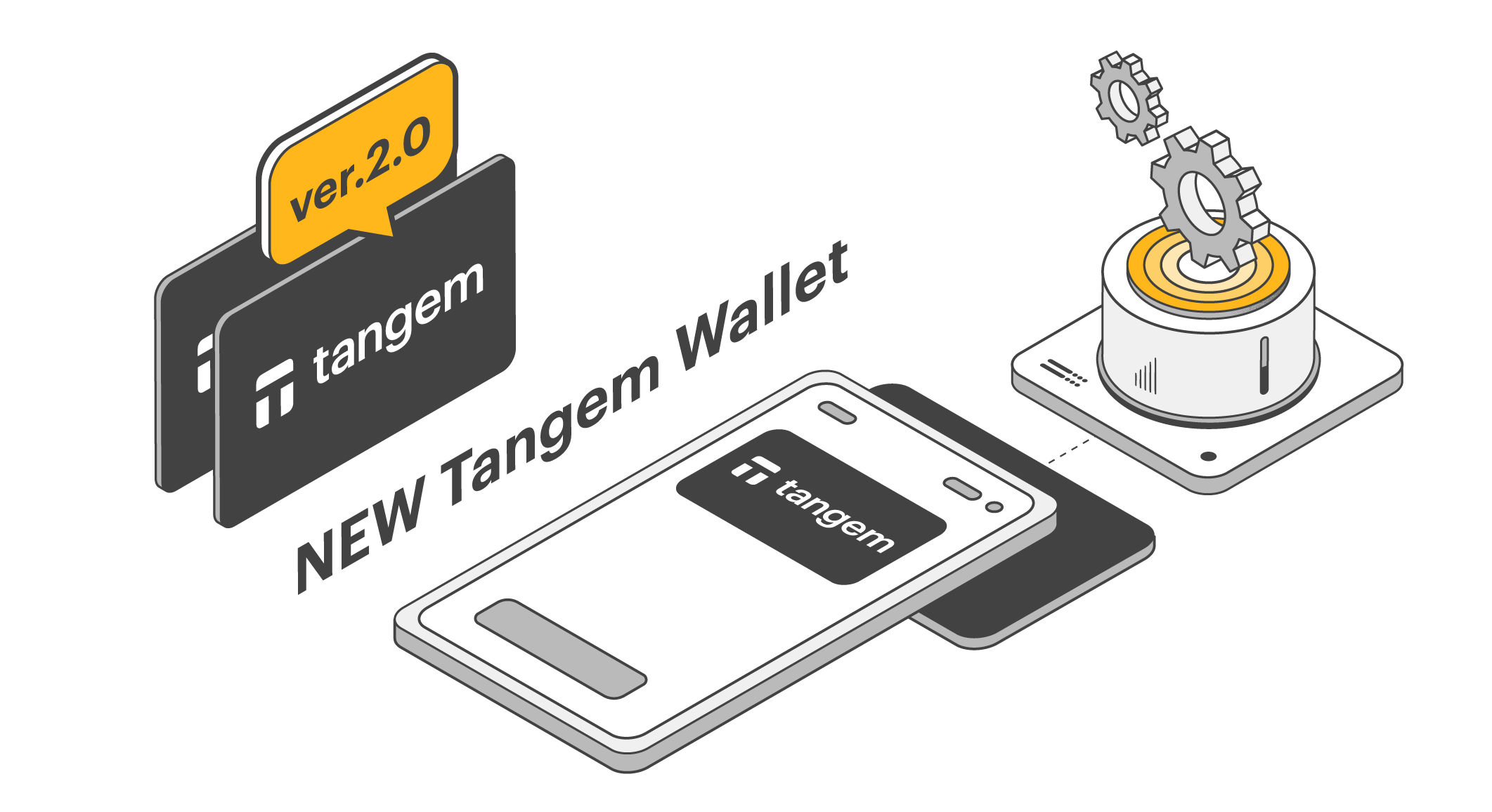
Where to learn more and a few final thoughts
If you want to dig deeper into the Tangem app, Tangem card types, and official compatibility lists, check this resource: https://sites.google.com/cryptowalletextensionus.com/tangem-wallet/. The site walked me through differences between issuance models, custody options, and recovery patterns, which helped me decide how to structure backups. On one hand the card-model encourages simpler workflows for everyday payments; on the other hand you must accept a slightly different mental model about backups and recovery. I’m not 100% sure which use-case will become mainstream, but for folks who want a secure, low-friction crypto experience in the US, Tangem deserves a serious look.
FAQ
Is a Tangem card as secure as a traditional hardware wallet?
Short answer: it depends. Tangem cards use secure elements and offer strong protection against remote attacks, and for many users the security is equal or better because keys never touch the phone. However, traditional hardware wallets sometimes offer more advanced features like open-source firmware, multisig support, and seed-based recovery options, so choose based on threat model and personal habits.
What happens if I lose my Tangem card?
That depends on how you set things up. If you created a backup or used Tangem’s recommended recovery options, you can restore. If you used a single-card, no-backup approach, then recovery can be impossible—so treat the physical card like cash. My advice: plan redundancies and treat at least one card as an emergency offline reserve.
Can I use Tangem cards for daily spending?
Yes—many people use them like a physical wallet for crypto payments, and tap-to-pay flows can be very quick. For frequent small transactions the convenience is excellent, though transaction fees and chain confirmation times still apply, so understand the costs per chain before relying on it for micropayments.